10 Daily Habits That Silently Damage Your Hearing
 By Emily Carter
Most hearing damage does not come from one loud night out. It comes from small daily habits repeated for years.
Most hearing damage builds up from small daily habits, not single loud moments. Cleaning ears with cotton swabs, ignoring infections, smoking, uncontrolled blood pressure, poor sleep, driving with the windows down, ototoxic medications, wet ears after swimming, dismissing lingering tinnitus, and skipping hearing tests each chip away at inner-ear health. Every habit on this list is fixable today.
Ask most people what damages hearing and they answer concerts, headphones, or aging. All three are real. But the sneakier culprits — the daily habits that damage hearing without ever announcing themselves — hardly feel like habits at all: the cotton swab after every shower, the "I'll get to it next year" hearing test, a handful of aspirin for a headache, a summer of driving with the windows rolled all the way down.
These habits rarely give feedback. There is no ringing after using a Q-tip. No warning light after another restless night. The damage builds quietly over years and shows up in your 50s or 60s as "everyone mumbles at restaurants." Some of it is preventable. Almost all of it is easier to catch when you know what to look for.
Below are the 10 habits most tied to hearing decline in the research — and the small, mostly free swaps that protect your ears from here on out. This piece is a companion to our full guides on age-related hearing loss and noise-induced hearing loss; if either fits your situation, those go deeper.
1. Is it safe to clean your ears with cotton swabs?
No, not inside the ear canal. Cotton swabs tend to push earwax deeper toward the eardrum, where it can block the canal and muffle hearing, and a slip can injure the canal or eardrum. Earwax usually clears on its own, so softening drops or a professional cleaning are the safer options when it builds up.
Cotton swabs feel productive. Clean, hygienic, oddly satisfying. But leading ear-nose-throat sources — from the American Academy of Otolaryngology–Head and Neck Surgery Foundation to the Mayo Clinic — advise against putting them inside the ear canal.
The problem is what you cannot see. A cotton swab does not scoop wax; it tends to pack it deeper into the canal, which is shaped like an hourglass. The Mayo Clinic notes that earwax blockages often happen exactly this way, when people try to dig wax out with swabs or other objects, and that a blockage can cause muffled hearing, a feeling of fullness, ringing, or even dizziness. Anything pushed into the canal can also scratch its thin skin or damage the eardrum. The AAO-HNS Foundation's clinical practice guideline on earwax (Schwartz et al., 2017) is why you may have heard the old rule: nothing smaller than your elbow in your ear.
What to do instead: leave earwax alone. In most people it moves out of the canal on its own. If wax buildup does become an issue — muffled hearing, a full feeling — a few drops of mineral oil, baby oil, or over-the-counter softening drops for a few days often help. If it still will not budge, a clinician can remove it safely with the right tools.
2. Can ignoring an ear infection cause hearing loss?
It can. Most ear infections clear without lasting harm, but repeated or long-lasting middle-ear infections can damage the eardrum and the tiny bones that carry sound, and the risk rises with the number and length of infections. Ear pain that does not improve, drainage, fever, dizziness, or hearing changes are reasons to see a doctor.
Ear infections are one of those things adults tell themselves they will "wait out." Sometimes that works. Often it does not.
A middle-ear infection (otitis media) causes temporary, muffled hearing while fluid fills the space behind the eardrum. When infections keep coming back or never fully clear, MedlinePlus (U.S. National Library of Medicine) lists damage to or wearing away of the small middle-ear bones and a hole in the eardrum that does not heal among the possible complications. Permanent hearing loss is rare, but the risk grows with the number and length of infections. Outer-ear infections (otitis externa, or "swimmer's ear") are painful but usually respond well to treatment.
Adults are not immune. In the CDC's analysis of swimmer's ear visits, more than half of the visits were by adults aged 20 and older. Any ear pain that is not getting better, comes with drainage, or shows up alongside fever, hearing changes, or dizziness deserves a call to your doctor.
What to do instead: do not ride out ear pain for days on end. A quick appointment or telehealth visit can usually tell you whether it needs treatment or watchful waiting. Sooner is cheaper — and much less risky — than later.
3. Can smoking or vaping cause hearing loss?
Smoking is clearly linked to it. In a study of more than 50,000 Japanese workers, current smokers had about a 60% higher risk of high-frequency hearing loss than never-smokers, and the risk rose with cigarettes per day. The extra risk faded fairly soon after quitting. Long-term hearing data on vaping do not exist yet.
The link is stronger than most smokers realize. Researchers think one reason is blood supply: the cochlea depends on very small blood vessels, and smoking is hard on blood vessels throughout the body. The exact mechanism is still being studied, but the population data are consistent.
A cohort of 50,195 Japanese employees published in Nicotine & Tobacco Research (Hu et al., 2019) found that current smokers had a hazard ratio of 1.6 for high-frequency hearing loss compared with never-smokers — roughly a 60% higher risk — and the risk climbed with the number of cigarettes smoked per day. Earlier U.S. work by Cruickshanks and colleagues in JAMA (1998), in adults aged 48 to 92, found current smokers were 1.69 times as likely to have hearing loss as nonsmokers. Secondhand smoke mattered too: nonsmokers who lived with a smoker were more likely to have hearing loss than those who did not.
Vaping is too new for long-term hearing data to exist. Most vapes still deliver nicotine, so it is not safe to assume it is a risk-free swap.
What to do instead: quitting is one of the most hearing-friendly changes a smoker can make. In the Japanese study, the extra risk of hearing loss declined after quitting, even among people who had quit less than five years earlier. If you have already quit and want to look at nutrition too, our guide to the vitamins and nutrients studied for ear health covers B12, folate, omega-3s, and what the evidence really shows.
4. Can high blood pressure cause hearing loss?
It is linked to it. A 2025 review of 12 studies covering about 595,000 people found that adults with hypertension had higher odds of hearing loss. Diabetes shows a similar pattern, with roughly double the rate of some types of hearing loss. Keeping both under control is good for your heart and may help your ears.
The cochlea depends on a steady, oxygen-rich blood supply through some of the smallest blood vessels in the body. That is one reason researchers look so closely at conditions that affect blood vessels, like high blood pressure and diabetes.
A 2025 systematic review and meta-analysis in Frontiers in Neurology (Jin et al.) pooled 12 studies with 594,676 participants and found that hypertension was associated with about 1.8 times the odds of hearing loss. For diabetes, a national U.S. analysis published in Annals of Internal Medicine (Bainbridge et al., 2008) found low- and mid-frequency hearing impairment in 21.3% of adults with diabetes versus 9.4% of adults without it — more than double. These studies show associations, not proof of cause, but cardiovascular health and hearing health clearly travel together.
What to do instead: get your blood pressure checked at least once a year, ask your doctor whether you should be screened for diabetes, and take prescriptions consistently. The habits that protect your heart — moving daily, eating whole foods, sleeping enough, drinking moderately — are good habits for your whole body, ears included.

5. Can poor sleep affect your hearing?
Poor sleep and ear problems are closely linked, though cause and effect are not settled. In one clinic study, 76% of people with chronic tinnitus also had insomnia, and greater tinnitus distress went with worse sleep. Sleep apnea has also been tied to hearing loss in a large U.S. study.
Sleep and hearing are connected in ways researchers are still mapping. Many people with tinnitus say the ringing feels worse after a bad night, and a bad ear day can make it harder to fall asleep — a loop that is easy to get stuck in.
A study of 182 patients with chronic tinnitus, published in BioMed Research International (Schecklmann et al., 2015), found insomnia in 76% of them, and tinnitus distress correlated with how disturbed their sleep was. That does not prove insomnia causes tinnitus, but it is one of the clearest reciprocal loops in ear health.
Sleep apnea is a separate concern. In nearly 14,000 adults from the Hispanic Community Health Study/Study of Latinos, people with sleep apnea had 30% higher odds of hearing impairment, even after accounting for snoring and other risk factors (Chopra et al., Journal of Clinical Sleep Medicine, 2016).
What to do instead: aim for 7 to 9 hours a night. If you snore loudly or wake up gasping, ask your doctor about a sleep apnea screen — it matters for your heart, your energy, and possibly your ears.
6. Can driving with the windows down damage your hearing?
It can add to your noise dose on long drives. In the closest published measurements, convertibles driven at 55 to 75 mph with the top down averaged about 85 to 90 dB, the level NIOSH treats as hazardous over a full workday. Motorcycle wind noise is louder, which is why earplugs are worth wearing on highway rides.
It sounds harmless. On a long highway stretch, it is not nothing.
There is little published research on cars with the windows rolled down, but convertibles with the top open are a close cousin. A study in the Journal of Laryngology & Otology (Mikulec et al., 2011) drove five convertibles at about 55, 65, and 75 mph and measured average noise from 85.3 dB to 89.9 dB with the top down — 12 to 15 dB louder than with the top closed. The CDC's National Institute for Occupational Safety and Health (NIOSH) sets its recommended limit at 85 dBA averaged over an eight-hour workday. A single drive will not hurt you, but a long road trip with open windows is a real noise dose that most drivers never think of as loud.
Motorcycle riders face the same physics in a stronger form. Measurements published in the British Journal of Audiology (Binnington et al., 1993) found that, for a helmeted rider, wind noise became the dominant sound above about 40 mph and rose from about 90 dB(A) to 112 dB(A) at 100 mph.
What to do instead: on long highway stretches, close the windows and use the AC or vents. On motorcycles, wear proper earplugs — foam or musician-grade — on highway rides.
7. Which medications can damage your hearing?
More than 200 prescription and over-the-counter medications are known to be ototoxic, according to ASHA. They include certain antibiotics such as gentamicin, the chemotherapy drug cisplatin, some diuretics, quinine, and high doses of aspirin. Most are safe at normal doses, so ask your pharmacist instead of stopping a medicine on your own.
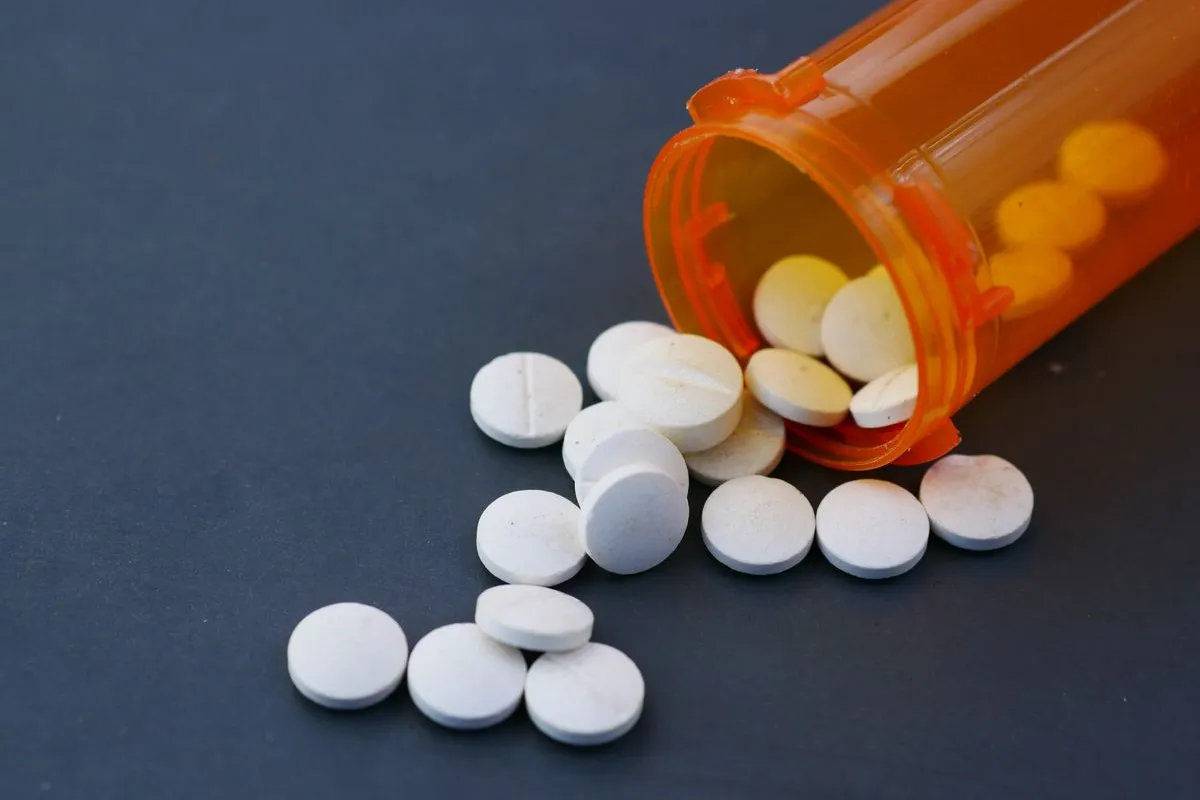
A surprisingly long list of medications is known to be ototoxic — meaning they can damage the inner ear, which handles both hearing and balance. The American Speech-Language-Hearing Association (ASHA) counts more than 200 known ototoxic prescription and over-the-counter medicines. Its list includes certain aminoglycoside antibiotics (such as gentamicin), platinum-based chemotherapy (cisplatin and carboplatin), salicylate pain relievers like aspirin, quinine, and certain diuretics used for heart and kidney conditions. Some of these effects are permanent; others, such as those from aspirin or quinine, are usually temporary once the drug is stopped.
Everyday pain relievers deserve a closer look too. In the Nurses' Health Study II, which followed more than 62,000 women, using ibuprofen or acetaminophen two or more days a week was linked to a higher risk of hearing loss (Curhan et al., American Journal of Epidemiology, 2012). The bigger practical problem is that most patients do not think of hearing when they start a new medication.
What to do instead: when you start a new prescription, ask the pharmacist one question — "Can this drug affect hearing, and is there a lower-risk alternative?" Never stop a prescribed medicine on your own. If you take pain relievers several days a week (for arthritis, for example), mention it at your next checkup and hearing test.
8. Does leaving water in your ears cause swimmer's ear?
It can. Water that stays in the ear canal creates a moist place where bacteria grow, which is how swimmer's ear usually starts. The CDC recommends tilting your head so each ear can drain, drying ears well with a towel, and keeping cotton swabs out of the canal. Ear pain or drainage needs a doctor's visit.
Moisture is a bacteria greenhouse. According to the CDC, swimmer's ear is typically caused by water that stays in the outer ear canal for a long time, giving bacteria a damp place to grow — after a swim, a hot tub, a lake day, or even a long shower.
Swimmer's ear (otitis externa) is behind the roughly 2.4 million U.S. healthcare visits a year noted above, and adults account for more than half of them. And here is the irony most people miss: the most common attempt to fix a damp ear — reaching in with a cotton swab to dry the canal — can scratch the skin of the ear canal and make an infection more likely, as MedlinePlus notes.
What to do instead: tilt the head to each side after a swim or shower to let water drain, and gently pull the earlobe while the ear faces down. Dry the outer ear with a towel. Ask your healthcare provider whether ear-drying drops make sense for you (they are not for people with ear tubes or a damaged eardrum). If ear pain, itching, or drainage develops, get it looked at — do not wait a week.
9. Should you see a doctor for tinnitus that won't go away?
Yes, if it lingers. Most people with tinnitus have some degree of hearing loss, so persistent ringing deserves a checkup, starting with your primary care doctor. Ringing in one ear, or ringing with sudden hearing loss or dizziness, needs prompt care, and the NIDCD calls sudden hearing loss a medical emergency.
A short spell of ringing after a loud concert is common and usually fades. Persistent tinnitus — ringing, hissing, buzzing, or humming that keeps coming back or never leaves — is not something to shrug off.
Tinnitus is often an early sign that the auditory system is under stress. The National Institute on Deafness and Other Communication Disorders (NIDCD) notes that most people who have tinnitus have some degree of hearing loss, and lists triggers such as noise exposure, some medications at high doses, earwax blockage, and blood vessel problems like high blood pressure. Several of those are habits on this list — which is why a checkup can point to something you can actually change.
Some situations should not wait. If ringing comes with a sudden drop in hearing, the NIDCD advises treating sudden hearing loss as a medical emergency, because timely treatment greatly increases the chance of recovering some hearing. Ringing in only one ear, or ringing with dizziness or ear pain, also deserves prompt care.
What to do instead: track it — when it started, what makes it worse, what makes it quieter. Take that log to your appointment. Our companion piece on tinnitus causes and what actually helps walks through the evidence-based paths from there.
10. How often should adults get a hearing test?
ASHA recommends hearing screening at least once every 10 years up to age 50 and every three years after that, and sooner if you work around noise, have tinnitus, or notice changes. A baseline test makes later changes easier to spot, so it is worth booking even if your hearing seems fine today.
For many adults, the honest answer to "when was your last hearing test?" is never, or a decade ago. That is a problem.
Hearing decline is usually gradual. Without a baseline audiogram, there is no way to know how far a person has drifted or how quickly. By the time the change is obvious in daily conversation, it has often been building for years — and the damaged sensory cells in the inner ear do not grow back, as we explain in our guide to age-related hearing loss.
The American Speech-Language-Hearing Association recommends screening adults at least every decade through age 50 and at three-year intervals after that — sooner if you work in noise, have tinnitus, or notice a change. The test is quick and painless. Skipping it is one of the most damaging habits on this whole list — not because the test does anything by itself, but because it is the one habit that lets you catch every other habit early.
What to do instead: book a baseline hearing test this year. Put a reminder on your calendar to re-test on the schedule your audiologist suggests.
Audifort: a nutritional extra for people who already changed their routine
Fixing the habits on this list does far more for your ears than any bottle can. Still, some readers want a nutritional extra on top. Audifort is a liquid supplement that its maker says combines plant extracts with B-complex nutrients to support inner-ear circulation. It will not repair cotton-swab damage or lower blood pressure, and it does not replace a doctor's visit. Results vary, and there is a 90-day money-back guarantee.
Read our full Audifort review → Our review page contains affiliate links. If you buy through them, Better Hearing Daily may earn a small commission at no extra cost to you. This does not change our editorial view.Where to start (you do not have to fix all ten today)
Hearing loss rarely has a single cause. It usually has several small ones, repeated across a lifetime. The good news is that small changes — some as tiny as putting the cotton swabs in the drawer and using the towel corner instead — add up in the opposite direction.
Pick one habit this week. For most adults over 40, the highest-impact move is booking that first baseline hearing test — because everything else on this list gets easier to manage once you know exactly where your ears stand. If you are under 40, the highest-impact move is usually the volume knob on your headphones: our guide to noise-induced hearing loss covers the 60/60 rule and the rest of the everyday sources.
Frequently asked questions
Are cotton swabs really bad for your ears?
Can smoking cause hearing loss?
What common medications are hard on hearing?
How do I know if a daily habit is damaging my hearing?
When should adults start getting regular hearing tests?
Small changes you can start this week
Put the swabs away, dry your ears after swimming, keep an eye on blood pressure, and ask your pharmacist whether any of your medicines can affect hearing. Those steps cost almost nothing. If you later decide to add a supplement, our review of Audifort explains what its maker claims and what it does not. It is not a treatment for hearing loss.
Read our full Audifort review → Our review page contains affiliate links. If you buy through them, Better Hearing Daily may earn a small commission at no extra cost to you. This does not change our editorial view.